Q2

Food For Tought Logo

2026

The Shirt That Escapes Football

Tom van Leent

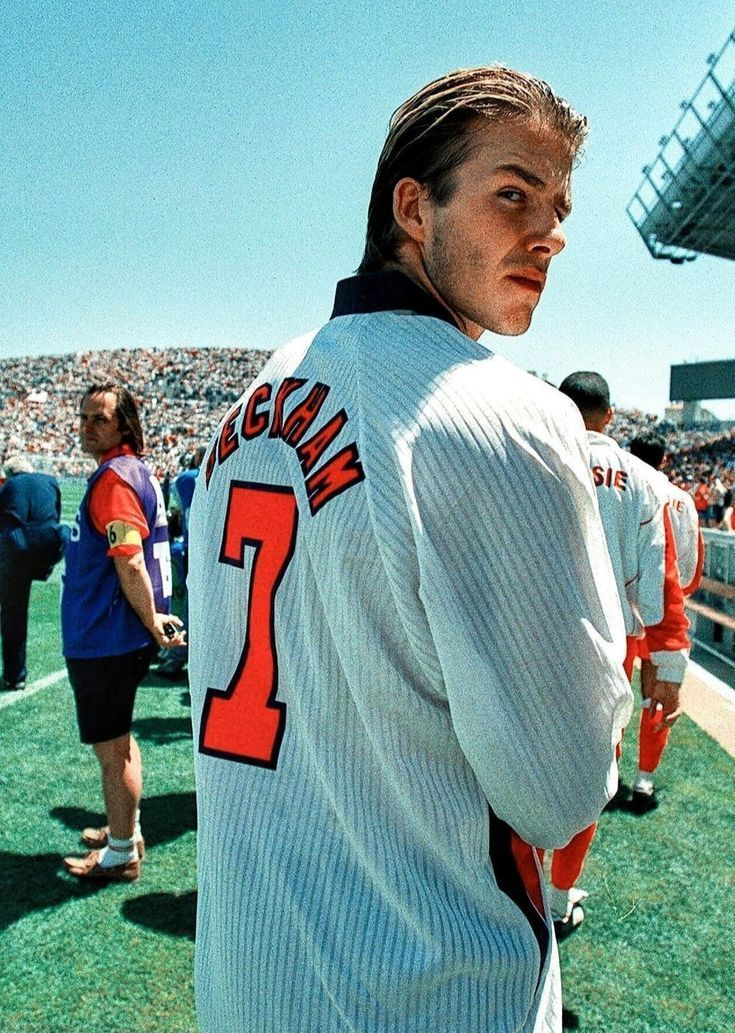
For football fans, it's a no-brainer. You buy the latest shirt of your favourite club, every season. The shirt shows where you belong and who you support. Some shirts carry a memory, of that one match, that one season, that one player. That's what makes a shirt worth holding onto. But there are also shirts that transcend the context of football entirely. So what makes a shirt more than just one season, or one player?

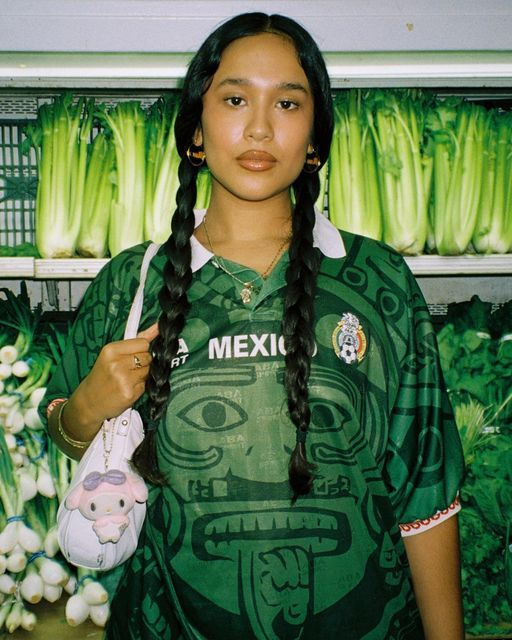
Several factors can free a shirt from its context and make it loved beyond the stadium. The autonomy of the design. A shirt needs a layer that adds meaning outside of football. Something you can associate with beyond the game. The Mexico 1998 shirt is a good example. Based on an Aztec calendar stone, the graphic object adds its own story. It's an element you can find recognition in, something to identify with or connect to.
Cultural weight is perhaps the strongest factor that makes a shirt timeless. It can hint at something larger than football. A reinterpretation of culture, offering a new way to express it. The best example is the Nigeria 2018 shirt. It sold out within minutes. Not because of the high expectations anyone had of the team at that World Cup, or because of any particular player. It sold out because it managed to capture an African identity in a shirt that would be worn on the world stage. Even for people outside the region, the visual statement was strong enough that they wanted to be part of it.

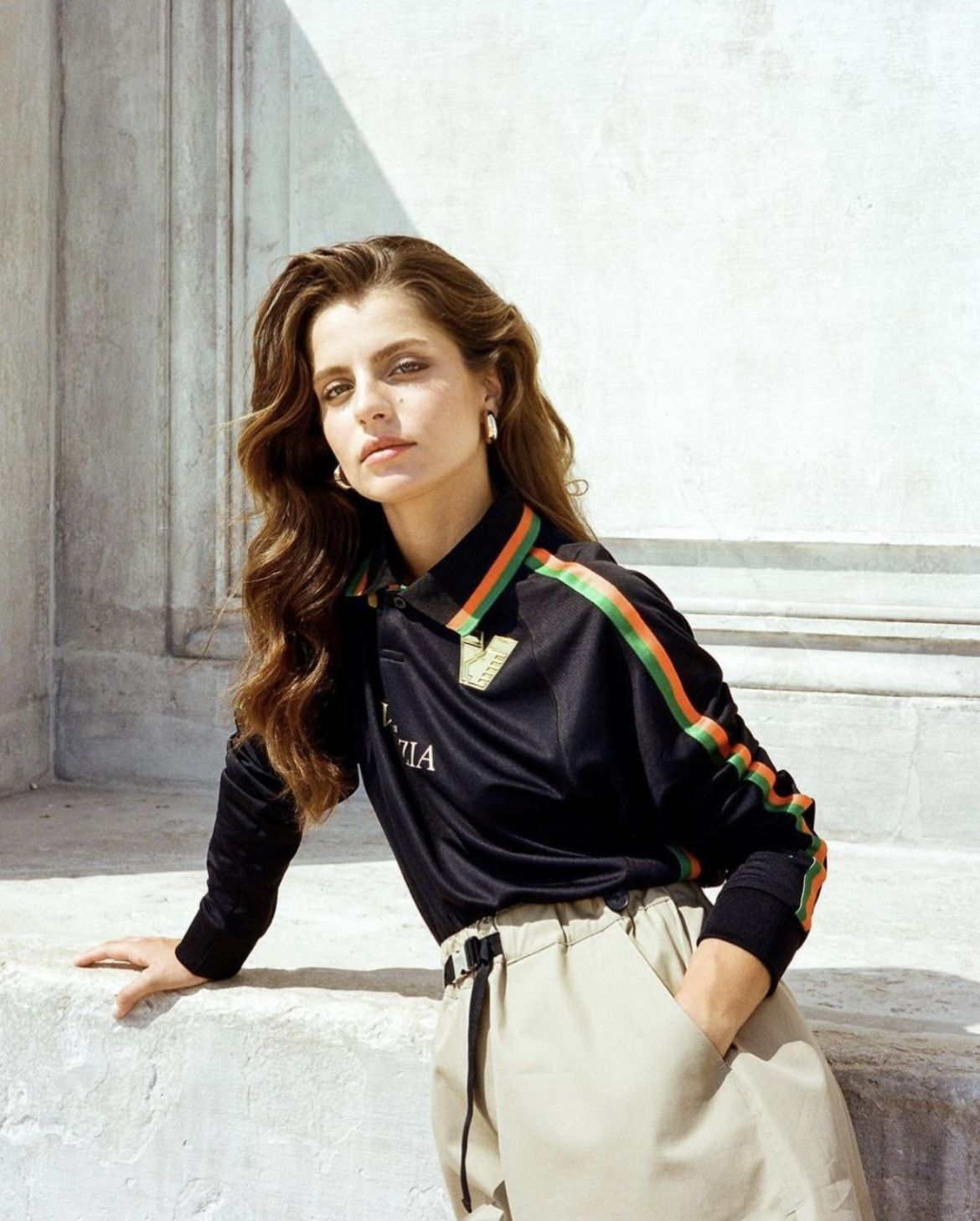
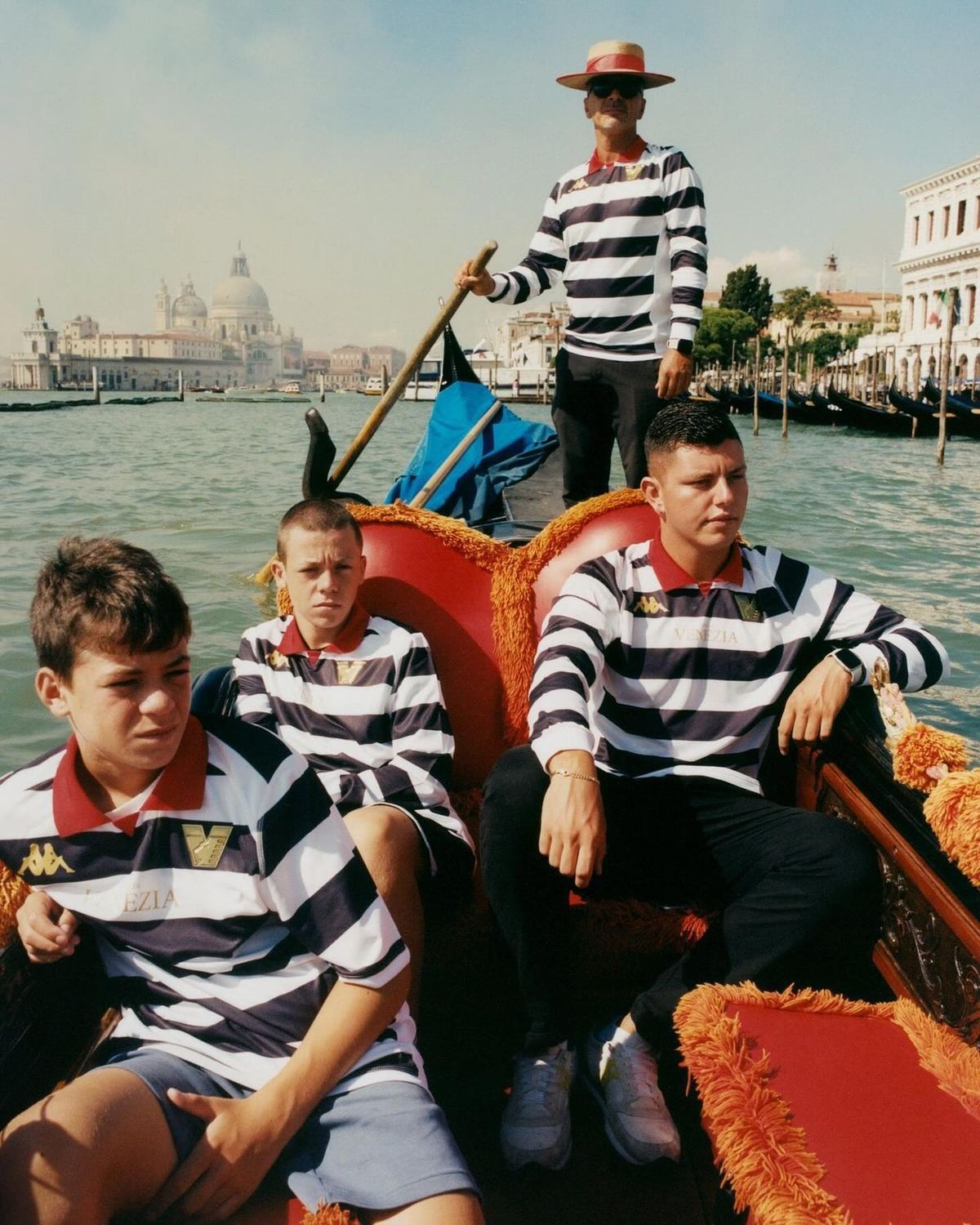
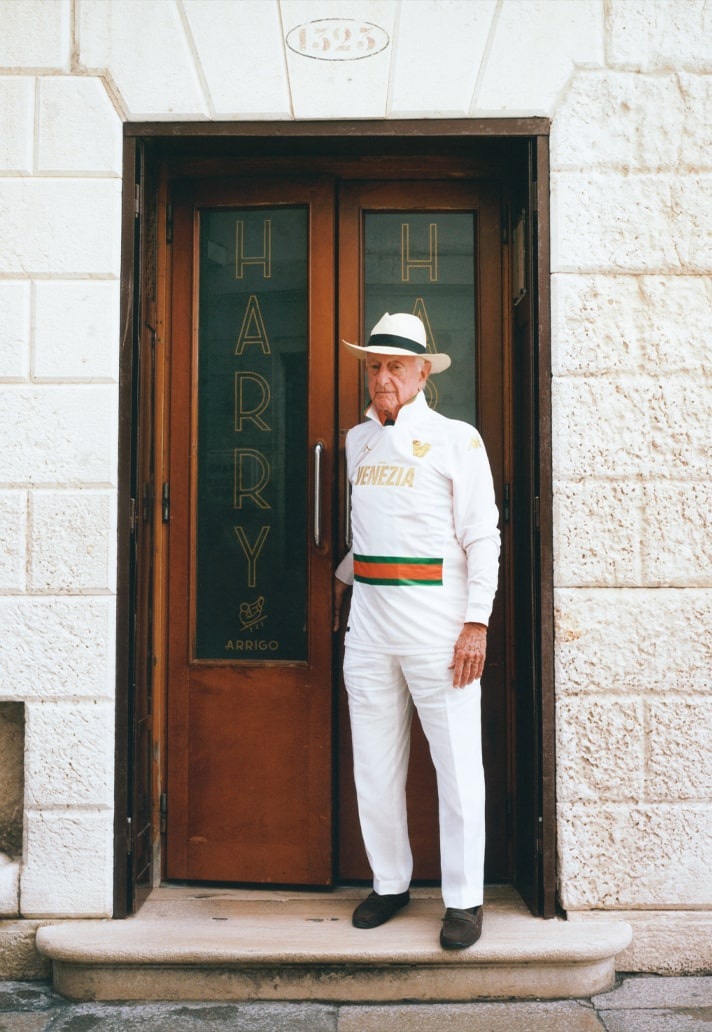
Less is more. The third factor for a great shirt, and one that often goes unchosen. A shirt loaded with sponsors, heavy prints, special numbering, and loud colours becomes far less appealing to wear day to day. Venezia was one of the first clubs to understand this. Over several consecutive seasons they created shirts that everyone wanted, regardless of where they sat in the table or who was playing. They looked beyond football and approached the shirt from a fashion perspective, drawing inspiration from the cultural identity of the city.

Rarity is another important factor. Not scarcity in terms of limited editions, but scarcity in the club's recognition. Shirts from obscure clubs that rarely, if ever, travel beyond their own borders. Teams nobody knows, and with which nobody has any pre-existing association. That absence of expectation creates the opportunity to rise above it and become something larger than football. Athens Kallithea, who followed the Venezia blueprint, and Jamaica in 1998 are both good examples of this.

What these shirts have in common is that at some point, a choice was made. A graphic choice, a cultural choice, or a fashion choice. That choice is what helps a shirt break free from its context. A shirt where no choice is made disappears to the back of the wardrobe after the season ends. A shirt where a choice is made will live on outside the stadium.

The upcoming World Cup offers a new opportunity for icons that grow larger than the game. Brands are increasingly aware of this. Adidas is leaning heavily into a retro fashion sensibility across the away kits of every team they kit out, pairing the old Adidas logo with more muted, retro palettes and cleaner designs, hoping to create shirts that outlast the tournament. Puma and Nike have taken a different approach, moving away from any standard template per country. They understand that each nation has its own visual language, its own potential to express something through design and layout, and they're running with that.

Time will tell which shirts become iconic. I already have my favourites.

Read Next

USM Haller,

Built to Be Lived With

Archive

In

Sub

TT

Sp

FFT

Privacy Policy

© 2026 FFT. All rights reserved.

Q2

Food For Tought Logo

2026

The Shirt That Escapes Football

Tom van Leent

For football fans, it's a no-brainer. You buy the latest shirt of your favourite club, every season. The shirt shows where you belong and who you support. Some shirts carry a memory, of that one match, that one season, that one player. That's what makes a shirt worth holding onto. But there are also shirts that transcend the context of football entirely. So what makes a shirt more than just one season, or one player?

Image: via Pinterest / source unknown

Several factors can free a shirt from its context and make it loved beyond the stadium. The autonomy of the design. A shirt needs a layer that adds meaning outside of football. Something you can associate with beyond the game. The Mexico 1998 shirt is a good example. Based on an Aztec calendar stone, the graphic object adds its own story. It's an element you can find recognition in, something to identify with or connect to.

Image: Monica Zulema

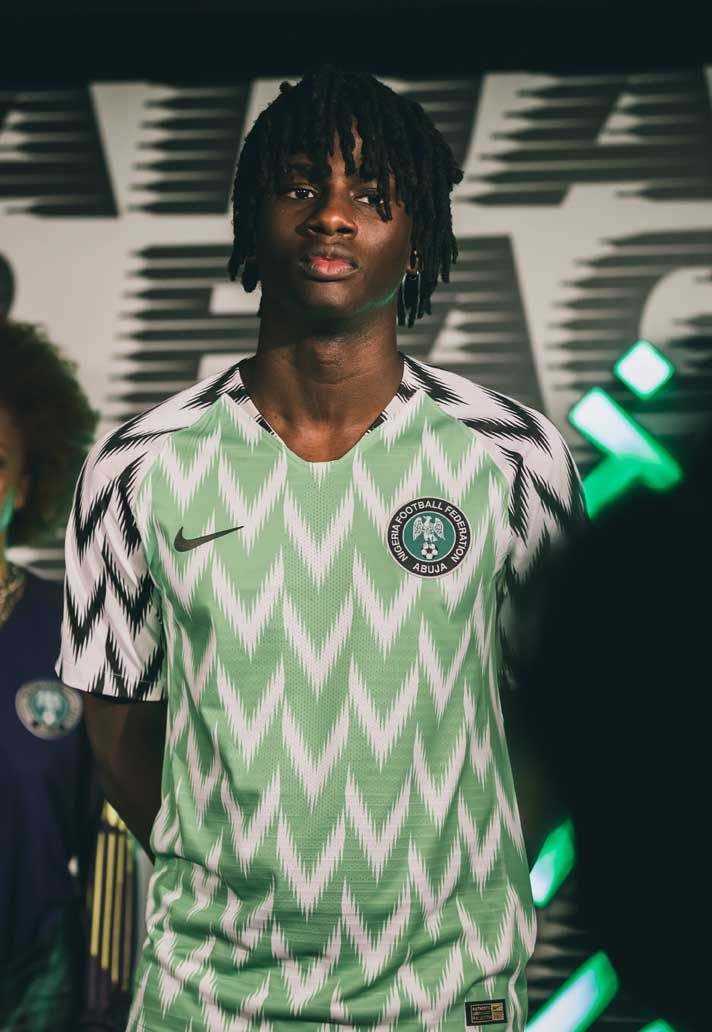
Cultural weight is perhaps the strongest factor that makes a shirt timeless. It can hint at something larger than football. A reinterpretation of culture, offering a new way to express it. The best example is the Nigeria 2018 shirt. It sold out within minutes. Not because of the high expectations anyone had of the team at that World Cup, or because of any particular player. It sold out because it managed to capture an African identity in a shirt that would be worn on the world stage. Even for people outside the region, the visual statement was strong enough that they wanted to be part of it.

Image: Nike

Less is more. The third factor for a great shirt, and one that often goes unchosen. A shirt loaded with sponsors, heavy prints, special numbering, and loud colours becomes far less appealing to wear day to day. Venezia was one of the first clubs to understand this. Over several consecutive seasons they created shirts that everyone wanted, regardless of where they sat in the table or who was playing. They looked beyond football and approached the shirt from a fashion perspective, drawing inspiration from the cultural identity of the city.

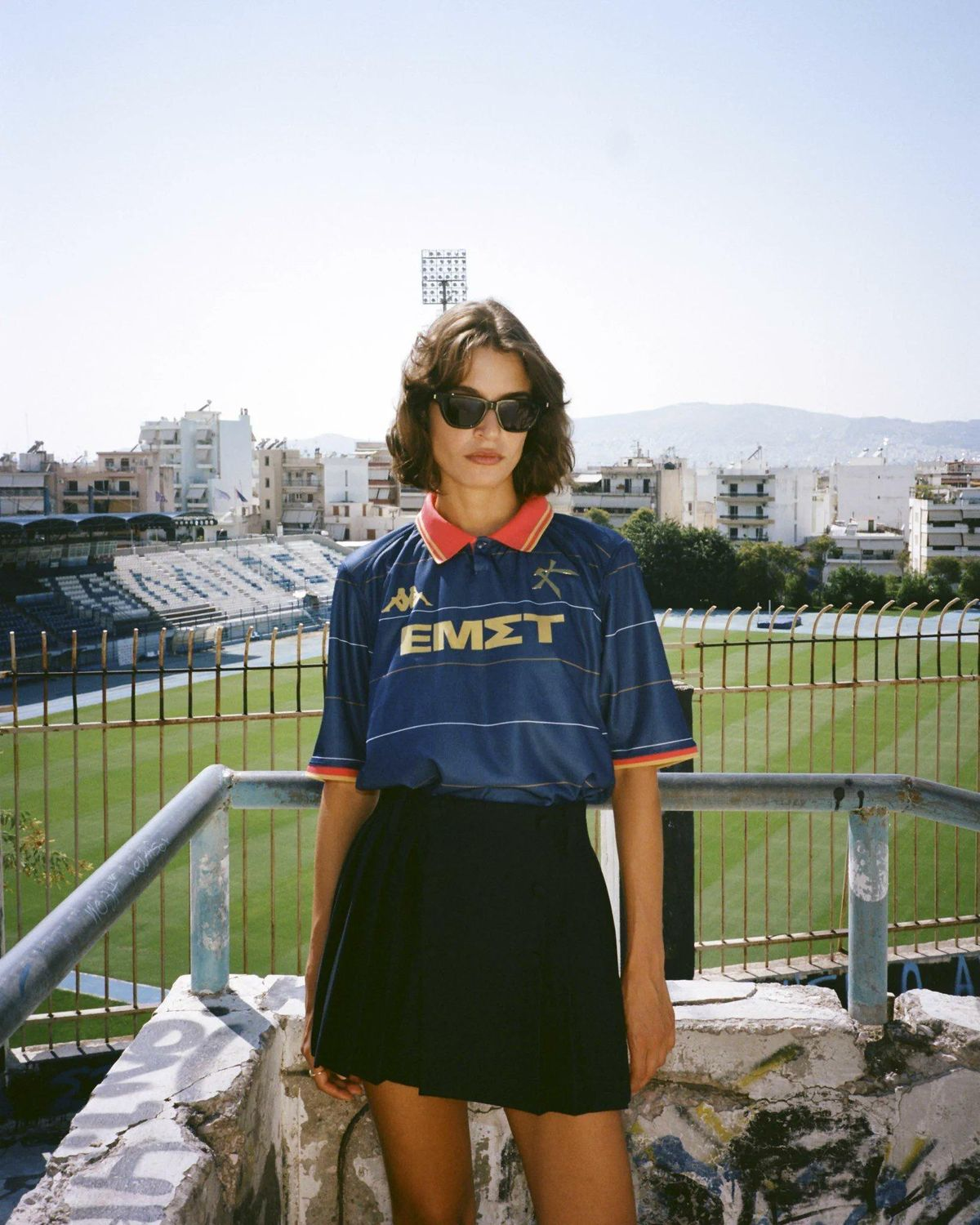
Rarity is another important factor. Not scarcity in terms of limited editions, but scarcity in the club's recognition. Shirts from obscure clubs that rarely, if ever, travel beyond their own borders. Teams nobody knows, and with which nobody has any pre-existing association. That absence of expectation creates the opportunity to rise above it and become something larger than football. Athens Kallithea, who followed the Venezia blueprint, and Jamaica in 1998 are both good examples of this.

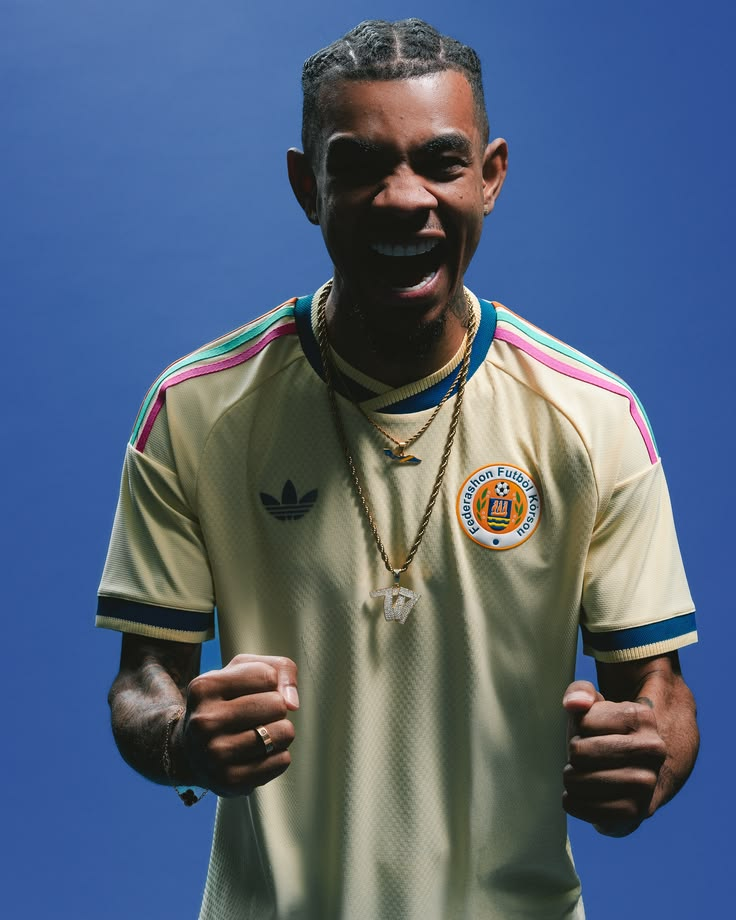
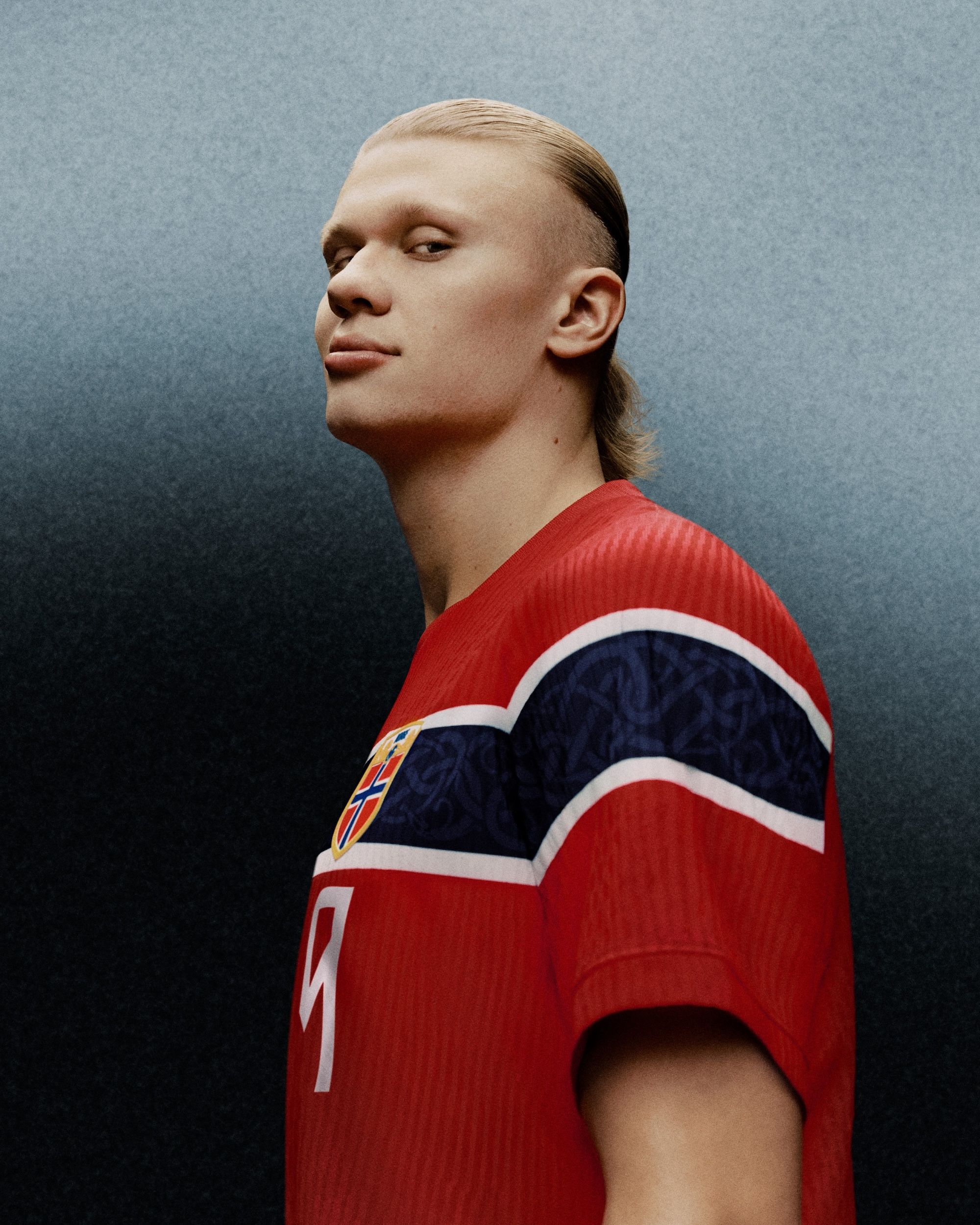
The upcoming World Cup offers a new opportunity for icons that grow larger than the game. Brands are increasingly aware of this. Adidas is leaning heavily into a retro fashion sensibility across the away kits of every team they kit out, pairing the old Adidas logo with more muted, retro palettes and cleaner designs, hoping to create shirts that outlast the tournament. Puma and Nike have taken a different approach, moving away from any standard template per country. They understand that each nation has its own visual language, its own potential to express something through design and layout, and they're running with that.

Time will tell which shirts become iconic. I already have my favourites.

Image: Venezia FC

Image: Athens Kallithea

What these shirts have in common is that at some point, a choice was made. A graphic choice, a cultural choice, or a fashion choice. That choice is what helps a shirt break free from its context. A shirt where no choice is made disappears to the back of the wardrobe after the season ends. A shirt where a choice is made will live on outside the stadium.

Images

Left: Adidas

Right: Nike

Image: via Pinterest / source unknown

Read Next

USM Haller,

Built to Be Lived With

Archive

Instagram

Substack

TikTok

Spotify

Privacy Policy

© 2026 Food For Thought. All rights reserved.

Q2

Food For Tought Logo

2026

Tom van Leent

The Shirt That Escapes Football

For football fans, it's a no-brainer. You buy the latest shirt of your favourite club, every season. The shirt shows where you belong and who you support. Some shirts carry a memory, of that one match, that one season, that one player. That's what makes a shirt worth holding onto. But there are also shirts that transcend the context of football entirely. So what makes a shirt more than just one season, or one player?

Image: via Pinterest / source unknown

Image: Monica Zulema

Several factors can free a shirt from its context and make it loved beyond the stadium. The autonomy of the design. A shirt needs a layer that adds meaning outside of football. Something you can associate with beyond the game. The Mexico 1998 shirt is a good example. Based on an Aztec calendar stone, the graphic object adds its own story. It's an element you can find recognition in, something to identify with or connect to.

Cultural weight is perhaps the strongest factor that makes a shirt timeless. It can hint at something larger than football. A reinterpretation of culture, offering a new way to express it. The best example is the Nigeria 2018 shirt. It sold out within minutes. Not because of the high expectations anyone had of the team at that World Cup, or because of any particular player. It sold out because it managed to capture an African identity in a shirt that would be worn on the world stage. Even for people outside the region, the visual statement was strong enough that they wanted to be part of it.

Image: Nike

Less is more. The third factor for a great shirt, and one that often goes unchosen. A shirt loaded with sponsors, heavy prints, special numbering, and loud colours becomes far less appealing to wear day to day. Venezia was one of the first clubs to understand this. Over several consecutive seasons they created shirts that everyone wanted, regardless of where they sat in the table or who was playing. They looked beyond football and approached the shirt from a fashion perspective, drawing inspiration from the cultural identity of the city.

Image: Venezia FC

Rarity is another important factor. Not scarcity in terms of limited editions, but scarcity in the club's recognition. Shirts from obscure clubs that rarely, if ever, travel beyond their own borders. Teams nobody knows, and with which nobody has any pre-existing association. That absence of expectation creates the opportunity to rise above it and become something larger than football. Athens Kallithea, who followed the Venezia blueprint, and Jamaica in 1998 are both good examples of this.

What these shirts have in common is that at some point, a choice was made. A graphic choice, a cultural choice, or a fashion choice. That choice is what helps a shirt break free from its context. A shirt where no choice is made disappears to the back of the wardrobe after the season ends. A shirt where a choice is made will live on outside the stadium.

The upcoming World Cup offers a new opportunity for icons that grow larger than the game. Brands are increasingly aware of this. Adidas is leaning heavily into a retro fashion sensibility across the away kits of every team they kit out, pairing the old Adidas logo with more muted, retro palettes and cleaner designs, hoping to create shirts that outlast the tournament. Puma and Nike have taken a different approach, moving away from any standard template per country. They understand that each nation has its own visual language, its own potential to express something through design and layout, and they're running with that.

Time will tell which shirts become iconic. I already have my favourites.

Image: Athens Kallithea

Image: via Pinterest / source unknown

Images

Left: Adidas

Right: Nike
Read Next

USM Haller,

Built to Be Lived With

Archive

Instagram

Substack

TikTok

Spotify

Privacy Policy

© 2026 Food For Thought. All rights reserved.